
Category: Stocks

HomeStocks
A trader watching stock prices move after the closing bell

After-hours trading is buying and selling stocks after the regular market closes. In the US, that means trading between roughly 4:00 PM and 8:00 PM ET, once the closing bell has rung. It lets traders react to late-breaking news the same day — but thin liquidity makes it riskier than the regular session. This guide …

Premarket stock movers on a trading screen before the opening bell

Premarket trading is buying and selling stocks before the regular market opens. In the US, that means trading between roughly 4:00 AM and 9:30 AM ET, ahead of the opening bell. It lets traders react to overnight news early — but it comes with thin liquidity and bigger risks. This guide covers the hours, why …

How to Trade Stocks

Online stock trading allows individuals to buy and sell shares of publicly traded companies through a brokerage platform. While the process of placing a trade is relatively simple, successful trading requires understanding risk, market behavior, and basic trading principles. For beginners, the best approach is to start small, learn how the stock market works, and …

Bull and bear market symbols displayed with stock market charts, representing the financial markets accessed through a stockbroker.

Every stock market transaction starts with a stockbroker — but what is a stockbroker, and why are they essential to investing? Whether you're buying your first shares or actively trading global markets, understanding how stockbrokers work can help you choose the right provider, avoid unnecessary costs, and gain better access to investment opportunities. In this …

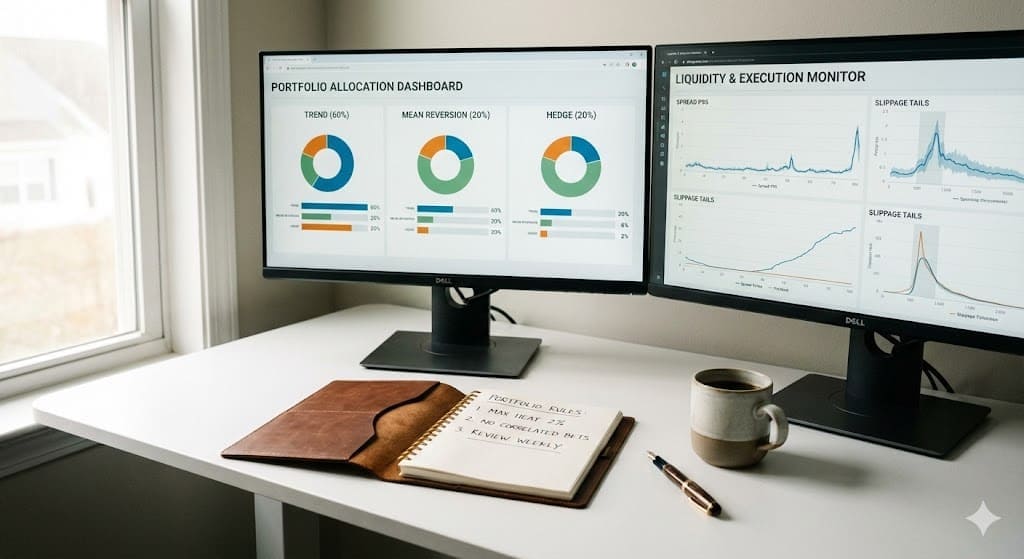
Build Your Trading Portfolio With Smarter Liquidity

Most traders treat a “portfolio” like a screenshot: a few positions, a couple of charts, and a hope that diversification will handle the rest. A real portfolio is more like a system. It has roles, limits, and a reason each position exists. When you build your trading portfolio that way, you stop relying on luck …

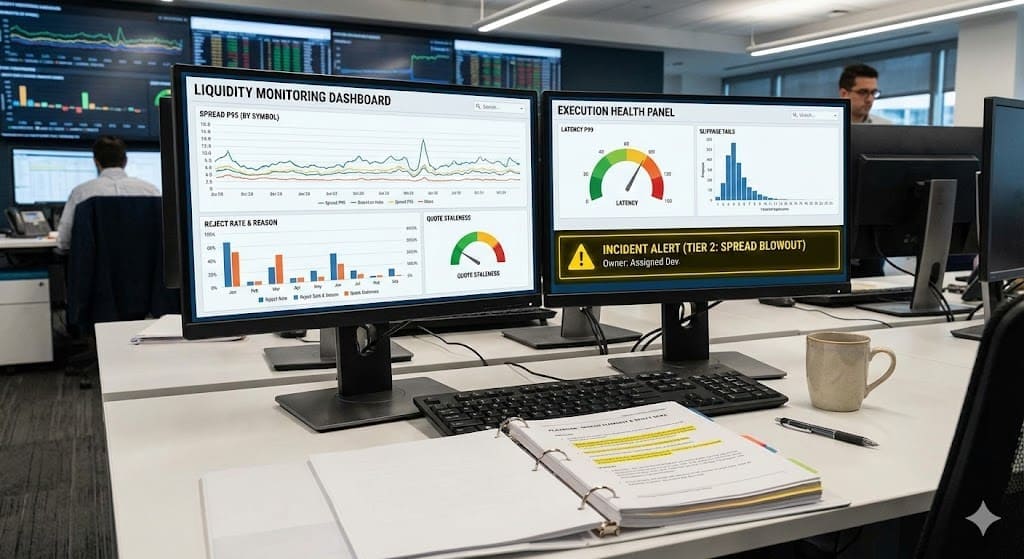
Liquidity Monitoring for Cleaner Fills and Fewer Surprises

Execution problems rarely announce themselves politely. One minute the platform feels normal. The next minute spreads widen, orders reject, and support tickets start piling up with the same complaint phrased twenty different ways. This is exactly where a monitoring mindset pays for itself. The goal is not perfection. The goal is visibility and control: detect …

Join a Trading Social Network Without Losing Your Edge

Trading alone has a funny side effect: every decision feels heavier than it should. One missed entry becomes chasing. One win becomes an excuse to size up. One loss becomes a reason to abandon the plan you barely followed. That’s the gap that pushes people to join a trading social network. Done well, it adds …

Live Stock Trading with Portfolio Diversification

Screens glow, the bell approaches, and opinions multiply. This is live stock trading without the noise, with clear language on the difference between stocks and shares, habits that improve fills, and the role of portfolio diversification so one bad idea does not sink your week. “Past performance is not a promise. Process is.” A quick …

Top Stocks to Trade With a Calm Weekly Routine

Screens glow, headlines pile up, and every ticker looks urgent. The fix is not a bigger scanner. It is a steady rhythm that turns noise into a short list of top stocks to trade you can act on with tight risk and fewer second guesses. “Preparation beats prediction when the bell is loud.” A weekly …

7 Reasons Fundamental Analysis of Stocks Beats Guesswork

The market opens, prices flicker, and everyone has a take. A clean process keeps you from chasing noise. That is where fundamental analysis of stocks earns its keep. “Prices wander in the short run, cash flows decide the long run.” 1) You see the business, not just the ticker Price says what happened, fundamentals hint …